Creating Connections: Strengthening Community Through Shared Causes

In a world that often feels divided, the power of community can be a unifying force. When individuals come together for a shared cause, they not only strengthen their bonds but also create a ripple effect that can lead to meaningful change. This blog post explores how shared causes can foster connections within communities, the benefits of collaboration, and practical steps to get involved.
The Importance of Community
Communities are the backbone of society. They provide support, resources, and a sense of belonging. When individuals feel connected to their community, they are more likely to engage in activities that benefit not only themselves but also their neighbors. This engagement can take many forms, from volunteering at local shelters to participating in community clean-up events.
Building Stronger Relationships
Shared causes create opportunities for individuals to meet and collaborate. When people work together towards a common goal, they build trust and understanding. This is particularly important in diverse communities where different backgrounds and perspectives can lead to misunderstandings. By focusing on shared interests, individuals can bridge gaps and foster friendships.
Enhancing Community Resilience
Communities that are connected through shared causes are often more resilient. When challenges arise, such as natural disasters or economic downturns, a strong community can mobilize quickly to support its members. For example, during the COVID-19 pandemic, many neighborhoods organized mutual aid groups to help those in need. This collective action not only provided immediate assistance but also strengthened community ties.
Examples of Shared Causes
Environmental Initiatives
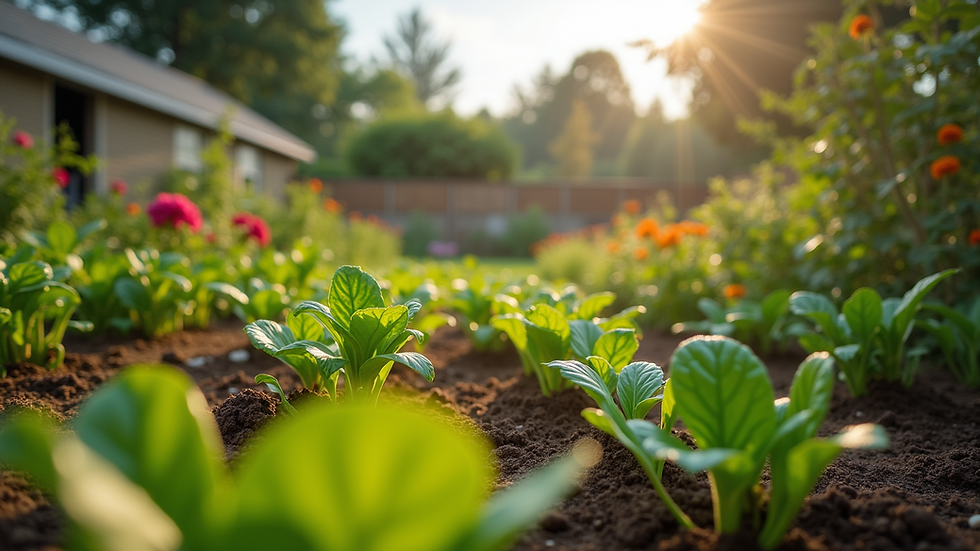
One of the most pressing issues facing our planet today is environmental degradation. Many communities have come together to address this challenge through initiatives such as community gardens, tree planting events, and recycling drives. These activities not only improve the local environment but also foster a sense of pride and ownership among residents.
For instance, the "Green Streets" initiative in Portland, Oregon, encourages residents to plant trees and maintain green spaces. This program has not only beautified the city but has also created a network of engaged citizens who care about their environment.
Social Justice Movements
Social justice movements have gained momentum in recent years, with communities rallying around causes such as racial equality, gender rights, and LGBTQ+ rights. These movements often bring together individuals from diverse backgrounds, united by a common goal of creating a more equitable society.
The Black Lives Matter movement is a prime example of how shared causes can mobilize communities. Through protests, educational events, and community discussions, individuals have come together to advocate for change and support one another in their struggles.
Health and Wellness Programs
Health and wellness initiatives can also serve as a catalyst for community connection. Programs that promote physical activity, mental health awareness, and healthy eating can bring people together in a supportive environment.
For example, community fitness classes or wellness workshops can create a space for individuals to connect while improving their health. These programs not only benefit participants but also foster a sense of community as people work towards common health goals.
How to Get Involved
Identify Your Passion
The first step in getting involved is to identify what causes resonate with you. Consider your interests, skills, and the issues that matter most to you. Whether it’s environmental conservation, social justice, or health and wellness, finding a cause that aligns with your values will make your involvement more meaningful.
Research Local Organizations
Once you’ve identified your passion, research local organizations that focus on that cause. Many communities have non-profits, advocacy groups, and volunteer organizations that welcome new members. Reach out to these groups to learn about their initiatives and how you can contribute.
Volunteer Your Time
Volunteering is one of the most impactful ways to get involved in your community. Whether it’s serving meals at a local shelter, participating in a community clean-up, or mentoring youth, your time and effort can make a significant difference.
Consider setting aside a few hours each month to volunteer. Not only will you be helping others, but you’ll also have the opportunity to meet new people and strengthen your community ties.
Organize Events
If you’re passionate about a particular cause, consider organizing an event to raise awareness and engage others. This could be a workshop, a fundraiser, or a community gathering. By taking the initiative, you can inspire others to get involved and create a sense of community around your shared cause.
Collaborate with Others
Collaboration is key to creating lasting change. Reach out to other individuals or organizations that share your interests and explore ways to work together. By pooling resources and ideas, you can amplify your impact and reach a wider audience.
The Benefits of Shared Causes
Personal Growth
Engaging in community initiatives can lead to personal growth. As you work alongside others, you’ll develop new skills, gain insights, and broaden your perspective. This growth can enhance your confidence and empower you to take on new challenges.
Strengthened Networks
Shared causes often lead to the formation of strong networks. These connections can provide support, resources, and opportunities for collaboration. Whether you’re looking for job opportunities, mentorship, or simply a sense of belonging, a strong community network can be invaluable.
Positive Impact
Ultimately, getting involved in shared causes allows you to make a positive impact in your community. Whether it’s improving the environment, advocating for social justice, or promoting health and wellness, your efforts can contribute to a better quality of life for everyone.
Conclusion
Creating connections through shared causes is a powerful way to strengthen communities. By coming together to address common challenges, individuals can build relationships, enhance resilience, and make a meaningful impact. Whether you choose to volunteer, organize events, or collaborate with others, your involvement can lead to positive change.
Take the first step today by identifying a cause that resonates with you and exploring ways to get involved. Together, we can create a stronger, more connected community.


Comments